




Neurological Rehabilitation
What Is Neurological Rehabilitation?
Neurological rehabilitation is a comprehensive treatment process aimed at physical, cognitive and psychological impairments caused by diseases or injuries of the brain, spinal cord and nervous system. The goal is to help the patient regain lost functions as much as possible, improve quality of life and increase independence.
Which Conditions Is It Used For?
Neurological rehabilitation is widely used in the treatment of the following conditions:
- Paralysis (stroke)
- Traumatic brain injury
- Spinal cord injuries
- Multiple sclerosis (MS)
- Parkinson's disease
- ALS (amyotrophic lateral sclerosis)
- Recovery after brain tumors
- Neurodegenerative diseases
The Importance of Rehabilitation
Neurological diseases can affect both a person's physical and mental health. For this reason, rehabilitation does more than increase muscle strength; it also helps the person return to community life, regain self-confidence and look at life with more hope. Rehabilitation that starts early and continues regularly can make a big difference in recovery.
What Are the Methods of Neurological Rehabilitation?
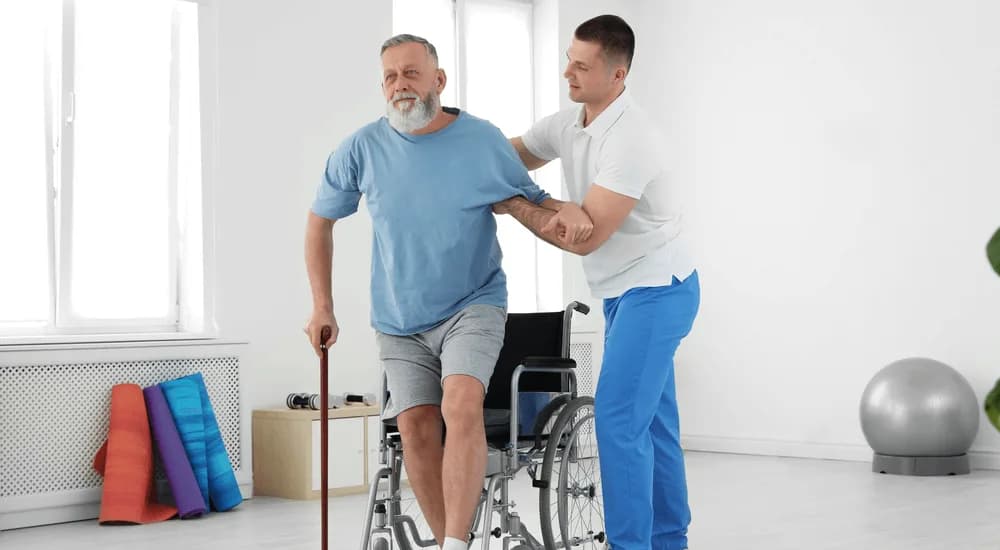
Physical therapy and exercise programs come first among these methods. In addition, speech and language therapy is provided especially for people who have difficulty with communication and swallowing. Occupational therapy is included in the treatment program to help patients regain independence in activities of daily living.
How Does the Neurological Rehabilitation Process Work?
The neurological rehabilitation process begins with a comprehensive assessment of the patient. Muscle strength, joint range of motion, balance, coordination, sensation and level of functional independence are assessed, and a treatment program tailored to the patient is created.
Conditions We Treat
Browse the conditions we specialize in
Would You Like to Book an Appointment?
Our specialist team will create the most suitable treatment plan for you.
Contact Us