What is Yoga?
Yoga is a science-based spiritual discipline focused on creating harmony between the mind and body. In rehabilitation, yoga techniques include balanced yoga poses (asanas) combined to increase body awareness and strength, special breathing exercises (chanting) to improve focus and speech skills, eye exercises and relaxation techniques, and breathing methods that strengthen the lungs to enable deep oxygenation of the entire body.


General Benefits of Yoga for Children
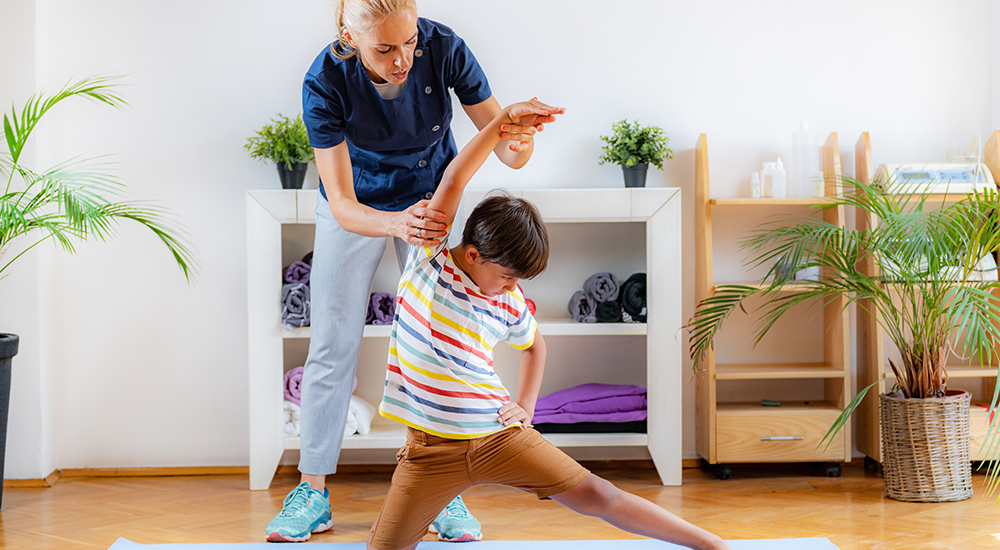
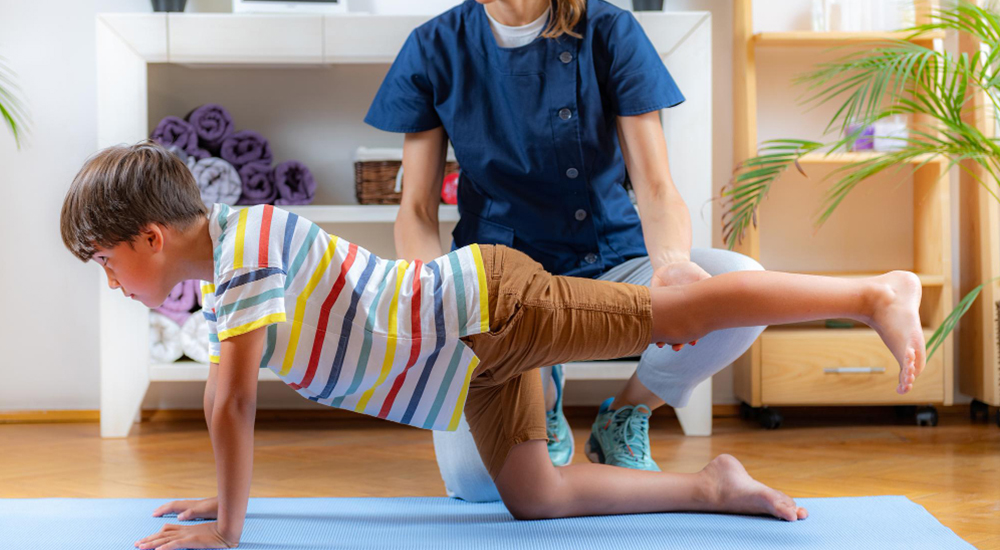
Rehabilitation using yoga techniques for children involves adapting classical yoga poses to child-appropriate standards, combining fun, discipline, self-confidence, and responsibility through individual and partner exercises. Yoga aims to teach children to use their imagination through poses, breathe properly, and learn how to relax their bodies. Yoga poses (asanas) can help children with digestive problems, irregular sleep patterns, stress issues, balance and coordination difficulties, sensory processing disorders, or joint and muscle problems. Using imagination enhances learning abilities and directs energy positively. Additionally, yoga helps strengthen muscles, increase focus and creativity, and boost the immune system.
In children’s yoga rehabilitation, besides fun yoga poses, breathing exercises, games, and stories are included. These games and stories help increase the child’s self-confidence, promote positive thinking, and make it easier to express emotions. The goal of these practices is to balance body, mind, and spirit harmony, just as in adult yoga, and help the child maintain this balance in life.
Which Children with Disabilities Benefit from Yoga?
Yoga can be applied to children with emotional and behavioral disorders, Down syndrome, cerebral palsy (CP), dyslexia, microcephaly, and autism spectrum disorder. It is equally safe and effective even for babies.
Benefits of Yoga for Children with Down Syndrome
Yoga poses (asanas) help stretch the bodies of children with Down syndrome, increase muscle tone, and strengthen muscles. Asanas benefit internal organs and aid in balancing and rejuvenating endocrine glands. Children with Down syndrome who practice yoga tend to be leaner and more flexible, while those who do not exercise enough are prone to gaining weight as they age. Along with yoga breathing exercises, which have beneficial effects on the central nervous system, yoga supports the development of body awareness, concentration, and memory—important skills for any child with developmental disabilities.
Benefits of Yoga for Children with Cerebral Palsy
Yoga poses (asanas) followed by deep relaxation can significantly reduce the high muscle tone characteristic of many children with cerebral palsy. Asanas relax muscles and tendons, relieve tension around muscles and joints, and relax the body. They also strengthen areas of the body with low muscle tone. A key aspect of yoga for cerebral palsy children is stretching and aligning the spine, which helps the child gain more independence as well as improve movement and coordination.
Benefits of Yoga for Children with Microcephaly
Yoga poses (asanas) increase blood circulation and provide benefits to internal organs, especially for less physically active children. Breathing exercises (pranayama) in yoga strengthen the immune system and enhance oxygenation of the blood, which supports cell repair. By increasing oxygen in the blood, more oxygen is delivered to the brain, helping to strengthen the central nervous system. Yoga aids children with microcephaly in developing body awareness as well as cognitive and motor skills.
Benefits of Yoga for Children with Autism
The first step in practicing yoga with an autistic child is building a strong connection with the child. The therapist enters the child’s world and forms a relationship at the child’s level. Once this relationship is successful, the therapist gains the child’s full trust. Techniques such as massage, music, dance, tongue twisters, and stories are some of the tools therapists use to connect with the child.
As trust and friendship grow between the child and therapist, the therapist begins teaching some yoga poses (asanas) and breathing exercises (pranayama). After the child becomes familiar with the initial poses, the therapist can add more asanas and deep relaxation techniques. The combination of asanas, pranayama, and deep relaxation strengthens the child’s nervous system, improves overall health, and supports development of body awareness and concentration. Yoga therapy helps autistic children gain motor, communication, and social skills by creating optimal physiological and psychological integrity.
Benefits of Yoga for Children with Attention Deficit Hyperactivity Disorder (ADHD)
Yoga uses poses (asanas), breathing exercises (pranayama), and deep relaxation techniques to strengthen the central nervous system. Children with ADHD often experience learning difficulties due to hyperactivity and inattention. As a result of yoga practice, children with ADHD can better focus on school lessons, reduce behavioral problems, and anxiety levels decrease in highly anxious children. Hyperactive behaviors are significantly reduced, and concentration is greatly improved. Students’ ability to focus on a topic and sustain attention in tasks increases significantly after yoga. Correct breathing techniques also enhance the ability to calm the brain and balance the left and right hemispheres (lobes) of the brain.
Benefits of Yoga for Children with Dyslexia
The primary goal for children with learning difficulties is to strengthen all developmental areas. Yoga offers an effective therapeutic alternative for children with dyslexia. Breathing exercises (pranayama) stimulate the central nervous system and strengthen the immune system. Along with yoga poses (asanas) and deep relaxation, pranayama enables the child to improve body awareness, balance, memory, and concentration. Yoga for dyslexic children includes yogic eye exercises that strengthen the optic nerve, relax facial muscles, and stimulate various brain centers. These exercises improve eye skills for word recognition, visual perception, and focusing ability.