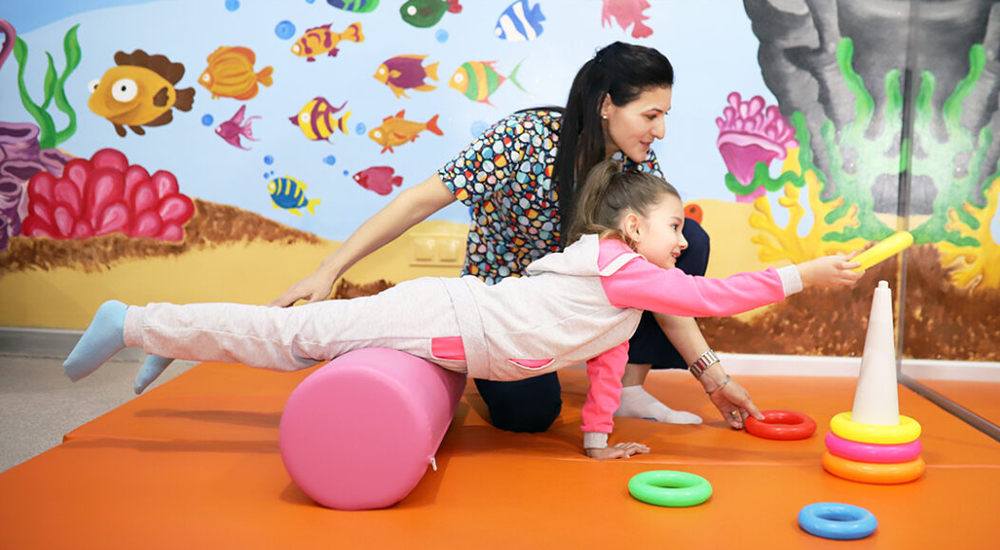
Pediatric rehabilitation is not only a disease-based specialty. The ongoing physical and mental growth and development of children, meaning that a child is more than just a miniature adult, is one of the most important distinctions separating this specialty from general physical therapy and rehabilitation.
There are many neurological, orthopedic, and rheumatologic conditions requiring rehabilitation in childhood. While the procedures applied for patient follow-up and treatment share basic similarities, the physical conditions, patient approach, and treatments are quite different.
Routine healthy child check-ups should not be neglected. Growth parameters, nutrition, and especially vaccination should be closely monitored during these examinations. Children with more severe conditions may be overlooked and might miss routine vaccinations.
In treating a disabled child, encouraging and enabling communication is a top priority. Instead of focusing solely on the child’s physical disability, ensuring they maintain communication with their environment is essential. Using simple and modern aids to promote independent mobility is important.
Setting appropriate goals for self-care activities is crucial. Just as vocational rehabilitation is important for disabled adults, special education is equally important for disabled children.
Being a parent of a normal child is already a challenging experience; parenting a disabled child is even more demanding. Therefore, these parents need support and guidance in caring for their child.
Many diseases fall under the scope of pediatric rehabilitation, including:
Mental motor retardation (MMR) due to congenital causes
Metabolic diseases affecting the musculoskeletal system
Muscle and nerve diseases resulting from spinal cord injuries
Neurological and muscular syndromes affecting childhood
Conditions like spina bifida and meningomyelocele
Birth-related brachial plexus injuries
Torticollis
Cerebral palsy, spasticity
Head traumas, microcephaly, hydrocephalus, and many other conditions are evaluated and rehabilitated within pediatric rehabilitation.
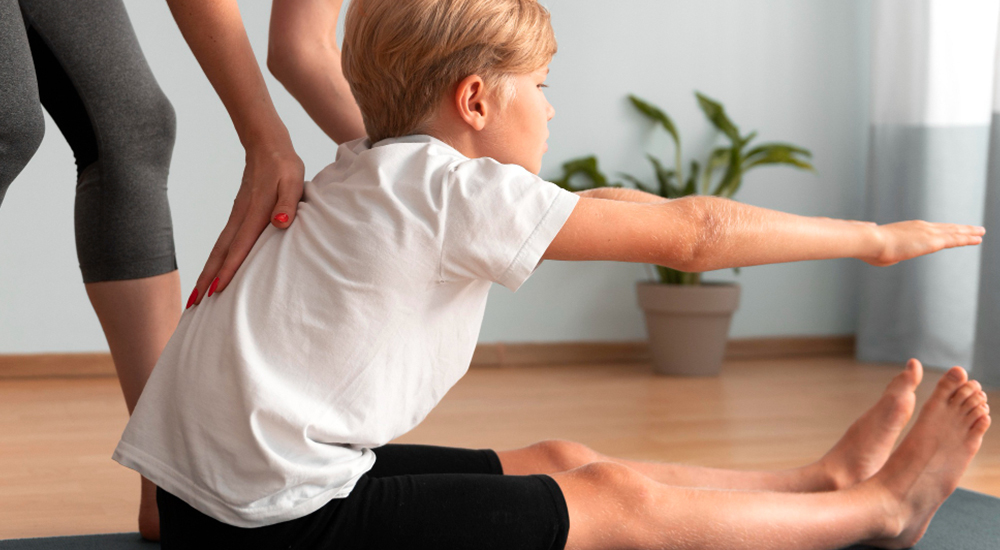
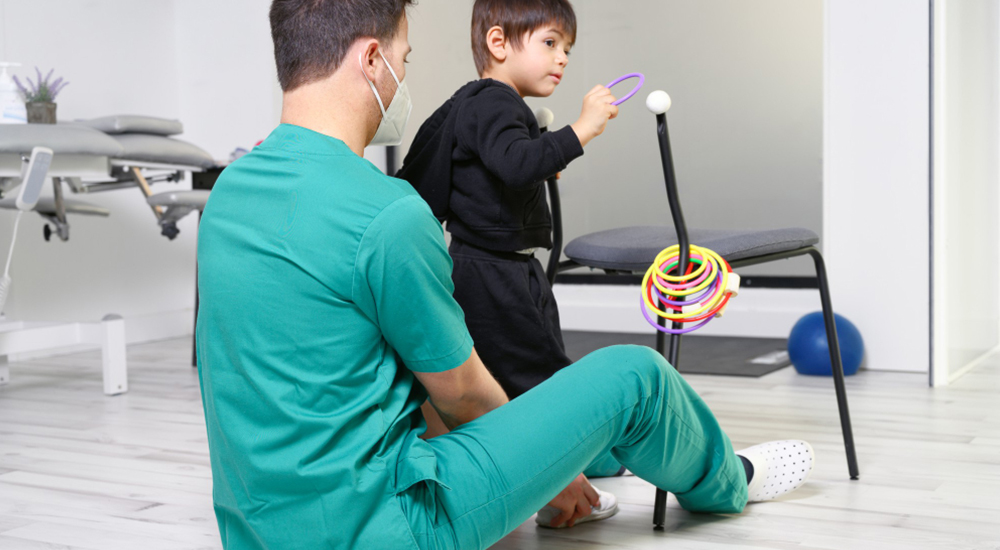
Improvements in technical facilities and care quality in neonatal intensive care units have increased the survival chances of premature and high-risk newborns. However, this has also led to an increase in many central nervous system (CNS)-related neurodevelopmental disorders such as cerebral palsy, mental motor retardation, and birth traumas.
It is very important to prevent or minimize problems that may develop in these babies. Early intervention should start as soon as possible, even in the delivery room if needed, with physiotherapy and rehabilitation programs.
Many childhood diseases that cause physical disabilities and loss of mobility can be eliminated or reduced to the lowest possible level with proper and timely interventions. In cases requiring treatment, the process should not be limited to physical therapy and rehabilitation alone, but also include various educational and social support programs.